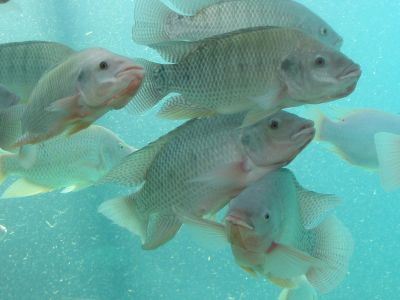
Nile Tilapia for Pond Stocking in Oklahoma
Nile Tilapia for Pond Stocking & Aquaponics
Nile tilapia are a versatile warm-water fish that can be used for supplemental forage, aquatic vegetation management and aquaponics.
We raise Nile tilapia for customers looking to improve pond forage, help manage certain types of vegetation, or establish productive aquaponics systems.
Nile Tilapia for Bass Forage
Tilapia can provide an excellent seasonal forage source for largemouth bass.
During warm weather, tilapia reproduce rapidly and can produce large numbers of young fish. These young tilapia provide additional forage for bass throughout the growing season.
This can be particularly useful in ponds managed for:
- Trophy largemouth bass
- Increasing available forage
- Reducing pressure on bluegill populations
- Improving predator growth
- Adding seasonal forage diversity
Tilapia are supplemental forage and generally should not replace bluegill as the foundation of a bass pond's forage population.
Nile Tilapia for Vegetation Control
Tilapia can also help manage certain types of unwanted aquatic growth.
Depending on pond conditions, tilapia may consume algae and some types of soft aquatic vegetation while also providing forage for predator fish.
This makes them unique because the same fish can potentially provide both vegetation-management and forage benefits during the growing season.
Nile Tilapia for Aquaponics
Nile tilapia are one of the most widely used fish in aquaponics systems.
Their warm-water growth, feeding behavior and adaptability make them well suited for systems where fish and plants are raised together.
Nile tilapia can be a good choice for:
- Home aquaponics systems
- Greenhouses
- Educational systems
- Food production
- Commercial aquaponics
- Broodstock and breeding programs
Successful aquaponics production requires proper water temperature, filtration, oxygen and water-quality management.
Why Nile Tilapia?
Nile tilapia are known for:
- Rapid growth
- Excellent reproduction in warm water
- High forage production
- Supplemental vegetation and algae control
- Good feed conversion
- Aquaponics production
- Excellent to eat
Their versatility makes them useful for both pond management and controlled production systems.
Do Tilapia Reproduce in Ponds?
Yes. Nile tilapia can reproduce rapidly when water temperatures are warm enough.
This reproduction is one of their biggest advantages when they are stocked as supplemental forage for largemouth bass.
Instead of stocking a forage fish that is simply consumed, tilapia can produce additional generations of young fish throughout the warm season.
Tilapia Are a Seasonal Pond Fish
Tilapia are warm-water fish and do not survive Oklahoma's cold winter water temperatures.
For pond owners, this means tilapia are generally stocked seasonally after water temperatures have warmed sufficiently.
As temperatures decline in the fall, tilapia become increasingly vulnerable to largemouth bass and other predators, providing an additional seasonal forage opportunity.
Pond owners who want the benefits of tilapia each year should plan on restocking them annually.
Tilapia & Largemouth Bass
Tilapia can work especially well in ponds managed for quality largemouth bass.
Their rapid reproduction can provide bass with an additional food source while reducing some of the predation pressure on the pond's bluegill population.
However, a healthy bluegill population should still remain an important part of the long-term forage base.
How Many Tilapia Should I Stock?
The appropriate stocking rate depends on what you're trying to accomplish.
A pond stocked primarily for bass forage may require a different rate than one where vegetation control is the primary goal.
Pond size, vegetation coverage, predator population and management goals should all be considered.
As a general recommendation stock 100-200 fingerlings (2-3″ or 4-6") or 10-20 lbs (6″+) per acre.
Nile Tilapia Sizes & Pricing
Pond Stocking Tilapia
2-3 Inch $2.00 each
4-6 Inch $3.00 each
Over 6 Inches $13 LB
Availability is seasonal and sizes can vary. Contact us for current inventory.
Need Help Choosing Tilapia?
Whether you're looking for additional bass forage, help managing pond vegetation or fish for an aquaponics system, we can help determine what best fits your goals.
Moore’s Fish Farm
Inola, Oklahoma
918-341-4194